Yoga for Your Dosha: Ayurvedic Practices to Balance Mind and Body
In Ayurveda, the sister science of yoga, we learn that each of us is made up of a unique blend of energies called doshas: Vata, Pitta, and Kapha. These doshas shape how we move, think, and experience the world. While each person carries all three, usually one (or two) will be more dominant. When a dosha falls out of balance, we can feel it in our bodies and minds—through fatigue, irritability, sluggishness, or restlessness. Yoga For Your Dosha can help bring balance back into the system.
The beauty of yoga is that it offers us tools to restore balance. Just as the trees bend and sway with the seasons, our practice can adapt to what our doshas need most.
Yoga for Vata (Air + Space)
When out of balance, Vata can feel scattered, restless, and ungrounded.
Your practice:
- Slow down. Choose steady, grounding flows or longer holds rather than fast-paced vinyasa.
- Root into standing poses like Warrior II, Mountain, and Tree Pose to create stability.
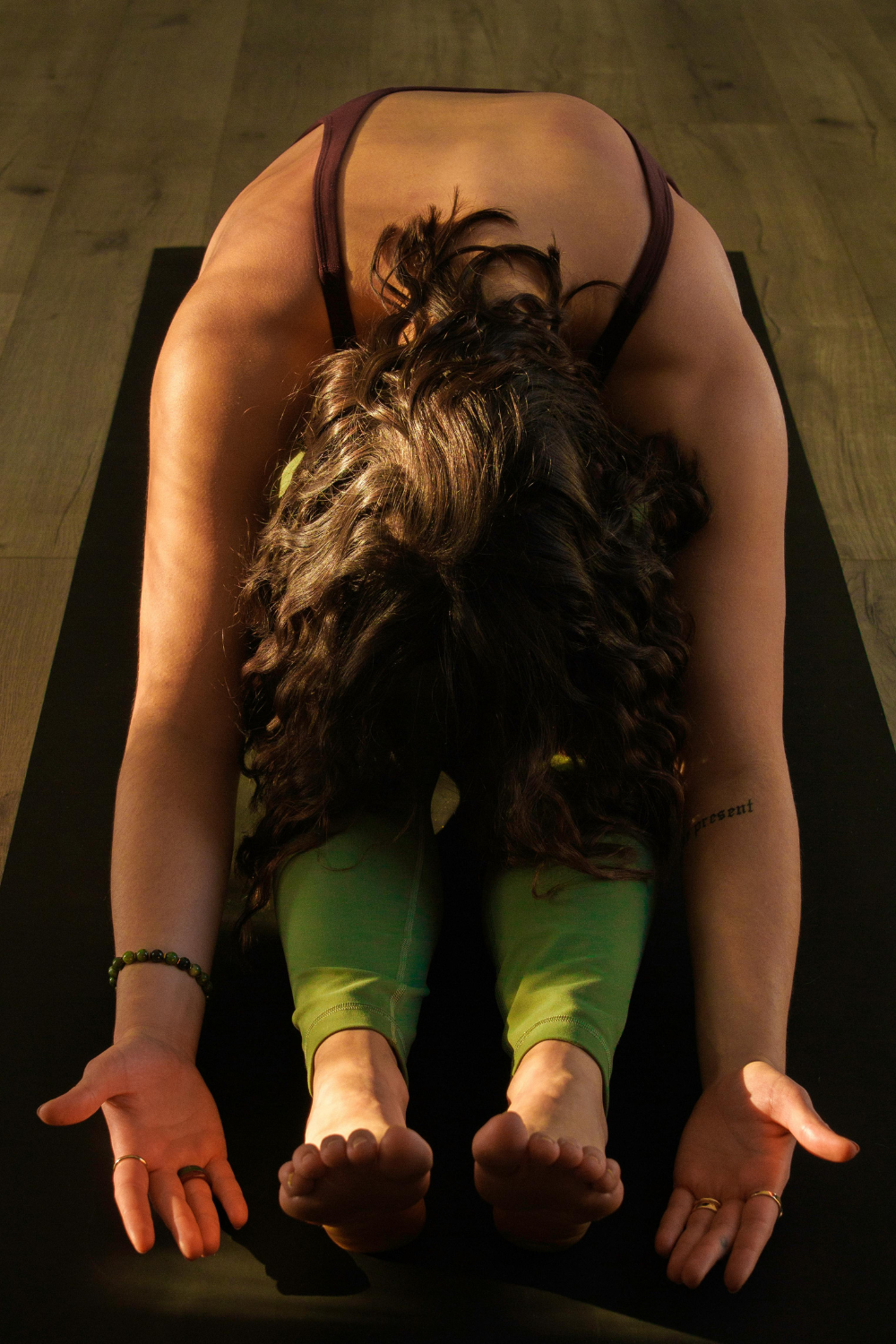
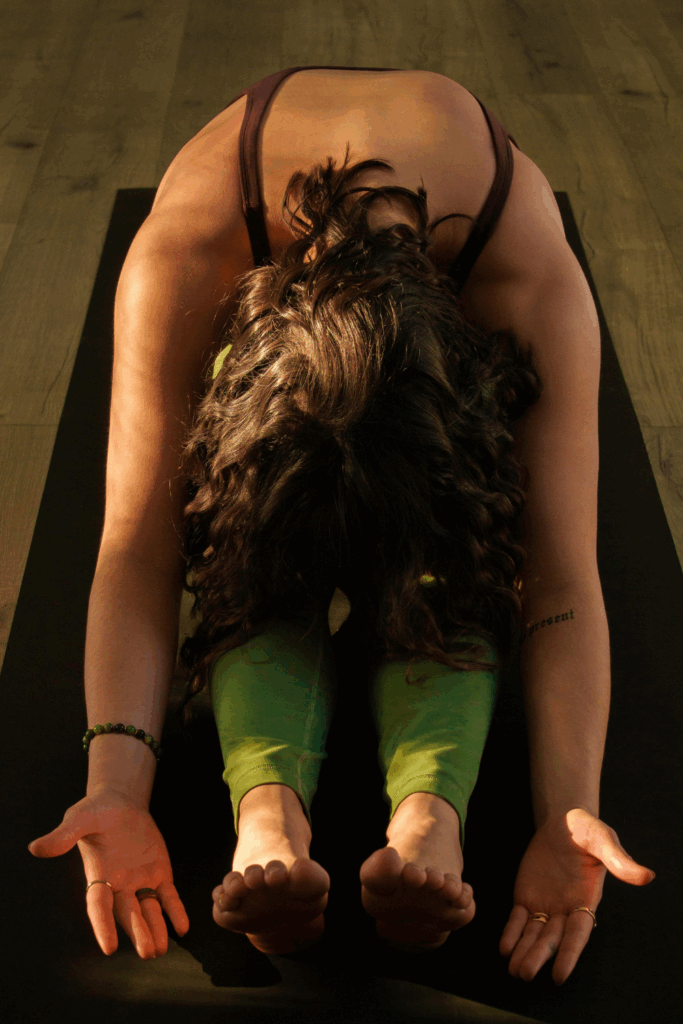
- Add forward folds (like Paschimottanasana) and restorative postures to calm the nervous system.
- Keep your breath warm and steady—Ujjayi or gentle Dirgha (3-part breath) are supportive.
Takeaway: Think warm, steady, and grounding. Your mat is your anchor.
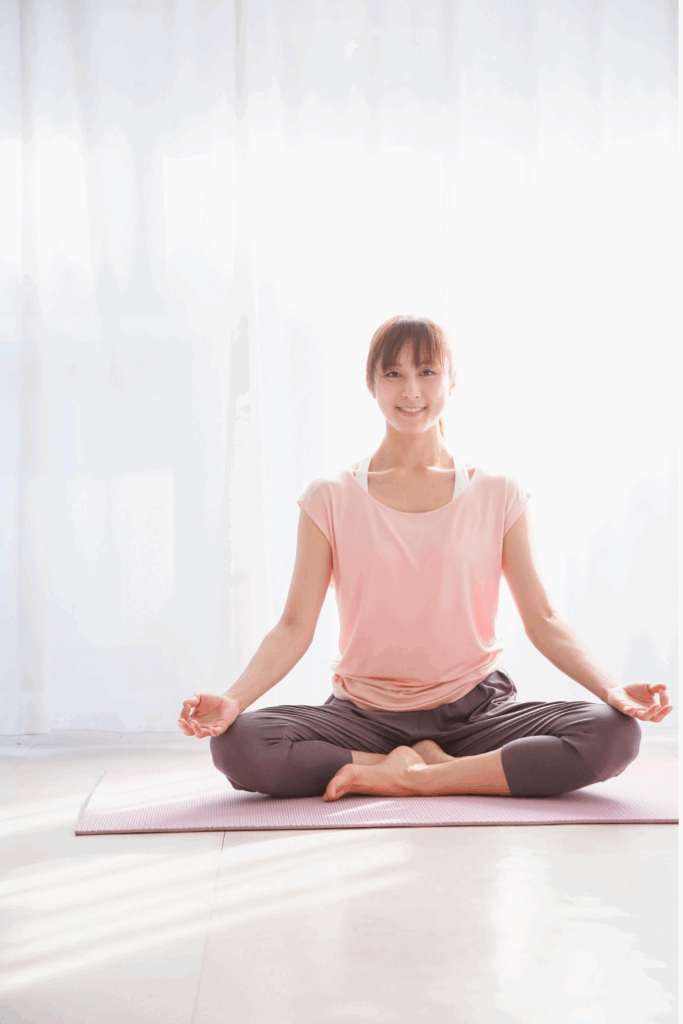
Yoga for Pitta (Fire + Water)
When out of balance, Pitta can feel overheated, competitive, and irritable.
Your practice:
- Practice with non-attachment to achievement—this is not about nailing the “perfect” pose.
- Favor cooling postures like forward bends, gentle twists, and Moon Salutations.
- Stay longer in hip openers (like Pigeon or Lizard) to release stored tension.
- Try cooling pranayama, such as Sheetali or Sheetkari breath, to soften inner heat.
- End with a generous Savasana to integrate calm.
Takeaway: Think cool, open, and compassionate. Your mat is your refuge from intensity.
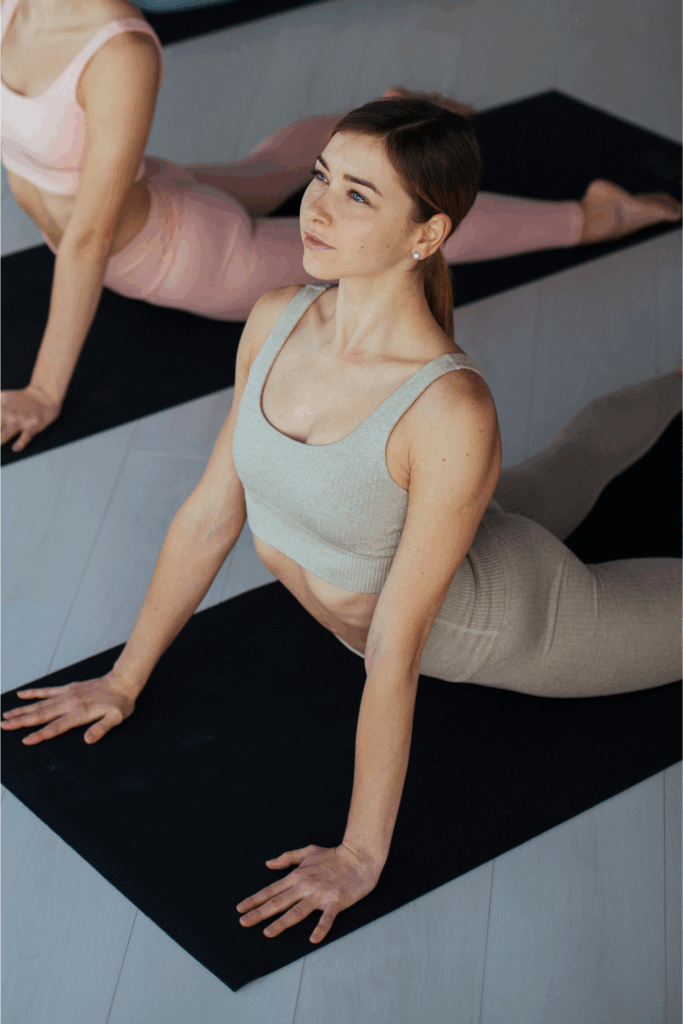
Yoga for Kapha (Earth + Water)
When out of balance, Kapha can feel heavy, sluggish, and resistant to change.
Your practice:
- Energize your body with dynamic sequences—Sun Salutations, strong standing flows, or invigorating backbends.
- Incorporate heart openers (like Camel and Bridge) to uplift energy and mood.
- Add balancing postures to challenge focus and release stagnation.
- Use a slightly faster pace and keep your breath bright and energizing—like Kapalabhati (Skull Shining Breath).
- Finish with a shorter, active rest rather than a long Savasana.
Takeaway: Think light, energized, and uplifting. Your mat is your spark.
Which Dosha Are You?
Curious which dosha shows up most strongly in you? While self-observation helps, a guided quiz can give you clarity. Try the free Chopra Center’s Dosha Quiz here to explore your Ayurvedic mind-body type.
Yoga and Ayurveda were designed to support one another. When you align your yoga practice with your dosha, it becomes more than movement—it becomes medicine. Whether you need grounding, cooling, or energizing, your mat is always there to meet you exactly where you are.