Yoga A Spiritual Practice
Yoga is often described in many ways: physical practice, spiritual path, philosophical system, and sometimes, a religion. These perspectives can feel confusing, especially for those new to yoga or those seeking clarity about what they are participating in.
Rather than placing yoga into one fixed category, it is more accurate and more respectful to understand yoga as an ancient spiritual and philosophical tradition that has evolved over time, shaped by culture, history, and human experience.
Honoring Yoga’s Roots in Hinduism
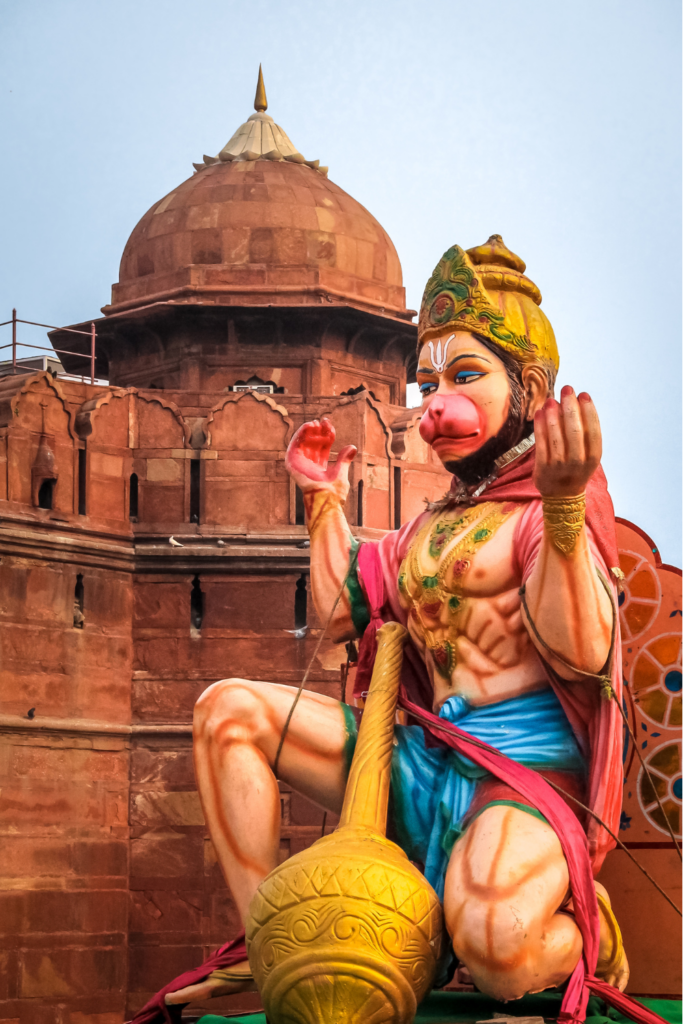
Yoga emerged in India thousands of years ago and developed alongside Hindu philosophy, culture, and spiritual traditions. Because of this, yoga naturally carries connections to Hinduism, including language, symbolism, mythology, and sacred texts.
Some yoga postures are named after Hindu deities or mythological figures. Historically, these poses were understood as:
- Expressions of devotion
- Symbolic representations of divine qualities
- Storytelling tools used to embody virtues such as strength, compassion, focus, and surrender
For many practitioners throughout history, yoga was indeed practiced within a religious and devotional context. Acknowledging this is essential to honoring yoga’s lineage and cultural origins.
Pose Names as Symbolism, Story, and Devotion
The names of certain yoga postures reflect figures from Hindu mythology, and in traditional contexts, these shapes may have carried devotional meaning.
At the same time, these postures also function as:
- Physical expressions of archetypal qualities
- Ways to embody stories, values, and philosophies
- Tools for contemplation rather than worship
In modern practice, many students engage with these poses without religious intent, experiencing them primarily through the lens of movement, breath, and awareness. The symbolic meaning remains available, but not mandatory.
This flexibility allows yoga to be practiced across cultures, belief systems, and personal backgrounds.
Yoga as a Living, Evolving Tradition

Yoga is not static. It has never existed as a single, unified system. Over centuries, yoga has evolved into many forms, some devotional, some philosophical, some physical, and some therapeutic.
Modern yoga often emphasizes:
- Mind-body awareness
- Breath and nervous system regulation
- Ethical reflection and self-study
- Presence, stillness, and connection
These elements align with spirituality understood as inner awareness and intentional living, rather than adherence to a specific religious structure.
Yoga as Philosophy in Modern Practice
Yoga philosophy offers guidance on how to live with greater clarity, compassion, and balance. Teachings found in texts such as the Yoga Sutras of Patanjali explore the nature of the mind, suffering, and human behavior.
These teachings function much like philosophy or psychology. Inviting inquiry rather than belief, and personal experience rather than doctrine.
In modern settings, yoga philosophy often supports:
- Emotional regulation
- Ethical awareness
- Self-reflection
- Meaningful connection with others
Practicing Yoga Today

One of yoga’s strengths is its adaptability.
Today, practitioners may choose to engage with yoga:
- As a spiritual practice
- As a philosophical framework
- As a physical and therapeutic modality
- As a blend of all three
Some may resonate deeply with yoga’s devotional roots. Others may connect more through breath, movement, or mindfulness. Both approaches are valid when practiced with respect and awareness.
Yoga does not require uniformity. It invites personal relationship.
Respect Without Requirement
Respecting yoga’s origins does not mean every practitioner must engage with it religiously. It means acknowledging its history, honoring its cultural roots, and practicing with humility.
Modern yoga spaces can honor tradition while remaining inclusive and allowing individuals to participate in ways that align with their values and lived experience.
Yoga as Connection
At its heart, yoga is about connection:
- Connection between body and breath
- Connection between thought and awareness
- Connection between individuals and community
Whether experienced as spiritual, philosophical, or physical, yoga offers a path toward greater presence and understanding, both within ourselves and with one another.
A Thoughtful Invitation
Yoga does not ask for belief.
It invites exploration.
Yoga does not demand devotion.
It offers connection.
By honoring where yoga comes from and allowing space for how it is practiced today, we create a more inclusive, respectful, and meaningful relationship with this ancient tradition.