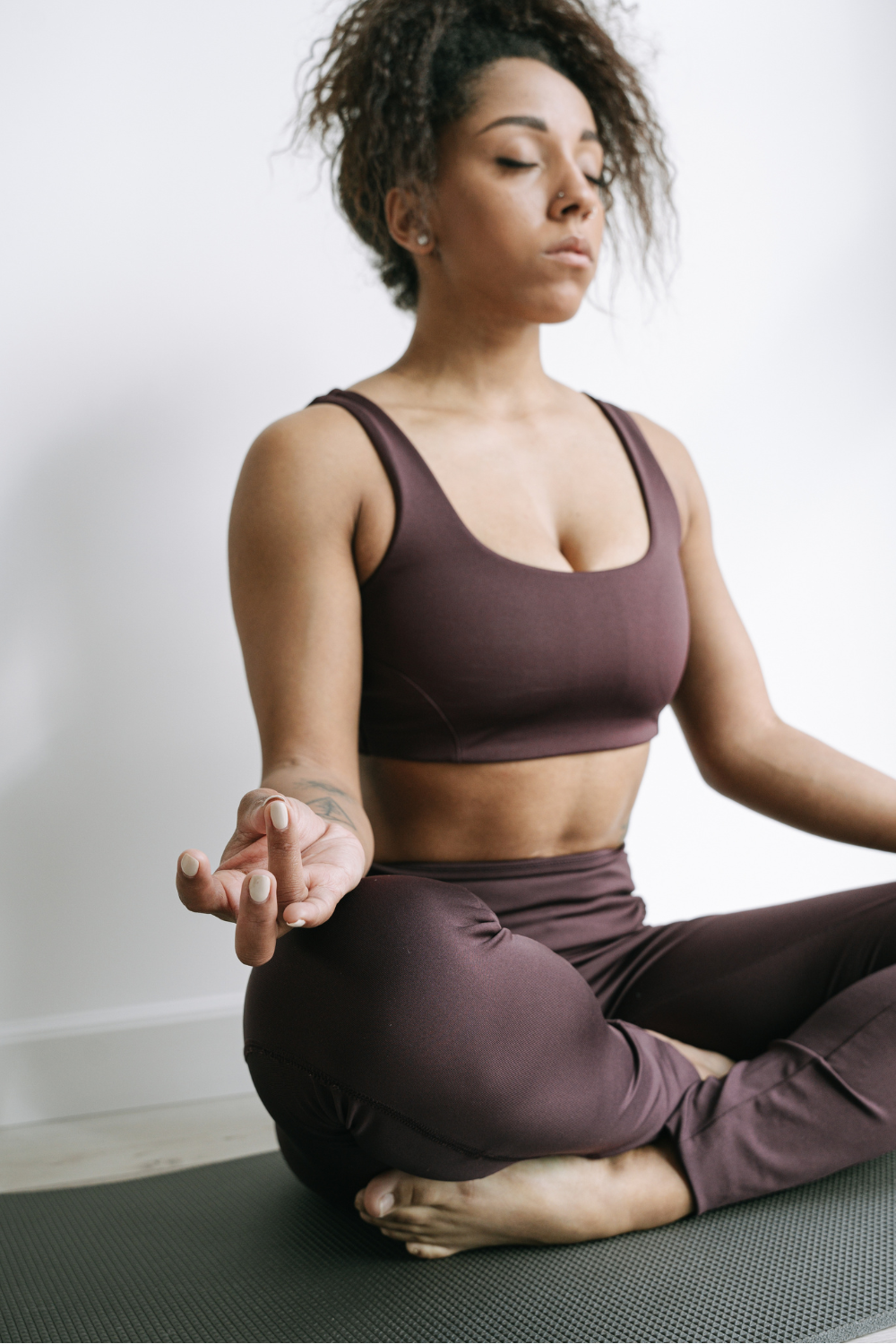
Your Body Needs yoga During Christmas Break
Christmas break often comes with a strange mix of less structure and more demand. Routines shift. Movement patterns change. Sleep, meals, and schedules become inconsistent. While it can look like “time off,” the body often experiences this period as physiologically stressful, just in a quieter way. Your Body Needs Yoga During Christmas Break.
More Standing, More Sitting = Tight Hips & Low Back
Holiday schedules often mean:
- Long car rides
- Standing in kitchens or at gatherings
- Sitting on couches, airplanes, or dining chairs
This combination creates compression through the hips, lumbar spine, and sacroiliac area. Many people feel this as stiffness, low back discomfort, or a general sense of being “locked up.”
What helps:
- Gentle hip mobility
- Slow transitions
- Supported standing poses that encourage circulation without strain
Rather than deep stretching, the body responds better to controlled range of motion and breath-led movement during this time.
Yoga focus: Slow lunges, supported squats, gentle twists, and simple standing sequences done with awareness—not repetition.
Excess Sitting = Thoracic Spine & Neck Tension

Even for active people, Christmas break often increases time spent sitting—scrolling, watching, traveling, or socializing. The result is a familiar pattern:
- Rounded upper back
- Forward head posture
- Tight shoulders and neck
The thoracic spine thrives on movement, but it doesn’t need aggressive backbends to feel better.
What helps:
- Upper back extension
- Shoulder mobility
- Slow, supported heart opening
Yoga focus: Low-load movements that restore spinal mobility while keeping the neck relaxed and supported.
Increased Stimulation = Nervous System Fatigue

The holidays aren’t always relaxing. More conversations, louder environments, disrupted sleep, and emotional dynamics all impact the nervous system, even if your calendar looks lighter. When the nervous system is overstimulated, the body doesn’t respond well to high-effort practices.
What helps:
- Longer exhalations
- Slower pacing
- Fewer poses held with more awareness
This is where yoga becomes less about shapes and more about regulation.
Yoga focus: Restorative poses, slow flow, breathwork, and pauses between movements that allow the body to settle.
Why “Less Yoga” Can Be More Effective Right Now
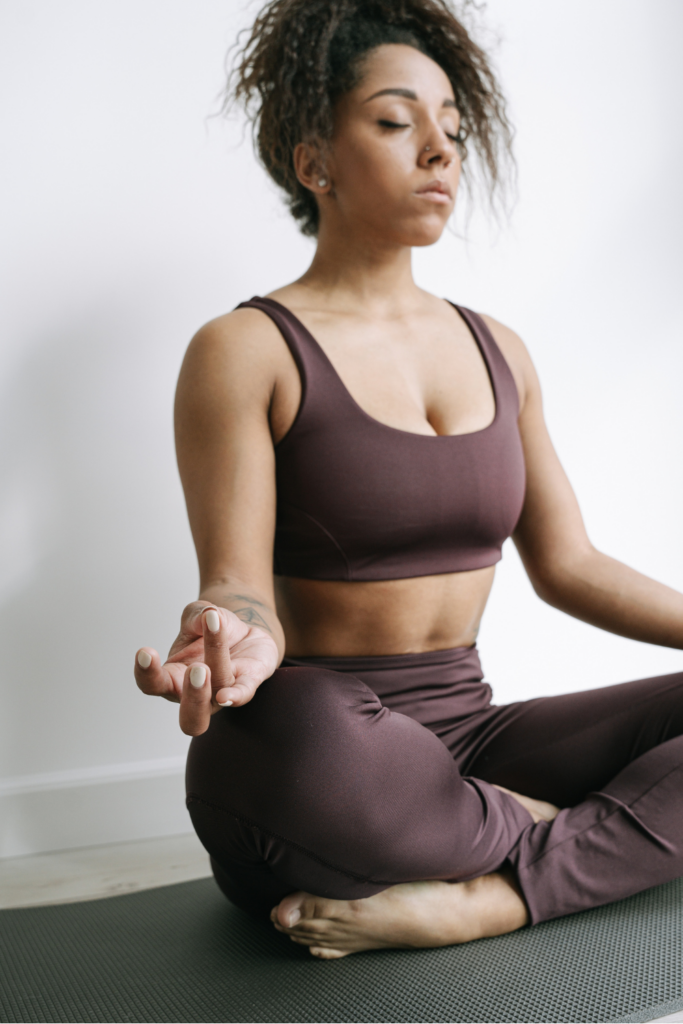
Christmas break is not the time to overhaul your practice or chase progress. It’s a time to maintain mobility, reduce tension, and support recovery.
A few intentional practices each week shorter, slower, and simpler often lead to:
- Less pain
- Better sleep
- Improved mood
- A smoother transition back into routine
Consistency doesn’t mean intensity. It means meeting your body where it is.
⸻
How to Practice Yoga During Christmas Break
Instead of asking “What should I be doing?”, try asking:
- What feels restricted?
- What feels overstimulated?
- What needs space or support today?
Simple guidelines:
- Choose practices under 45 minutes
- Prioritize breath over depth
- Skip peak poses
- Use props without hesitation
Yoga during this season is about supporting function, not performance.
Your body doesn’t need a reset during Christmas break, it needs attunement. When movement is informed, intentional, and responsive, yoga becomes a way to move through the season with clarity rather than tension.
At Pacific Yoga Fit, we believe yoga should adapt to you, not the other way aroundespecially during times of transition.
If you’re practicing with us over the break, know that showing up gently still counts.