Keep Your Teaching Fresh With Yoga Continuing Education
As a yoga teacher, it’s easy to fall into a rhythm—teaching your favorite poses, recycling familiar sequences, and cueing on autopilot. But over time, even the most passionate teachers can start to feel uninspired. The good news? Yoga Continuing Education is the key to keeping your classes fresh, engaging, and aligned with your growth as a teacher.
Whether you’re feeling stuck or simply want to stay ahead of the curve, here’s how to breathe new life into your teaching with continuing education (CE).
Why Continuing Education Matters for Yoga Teachers
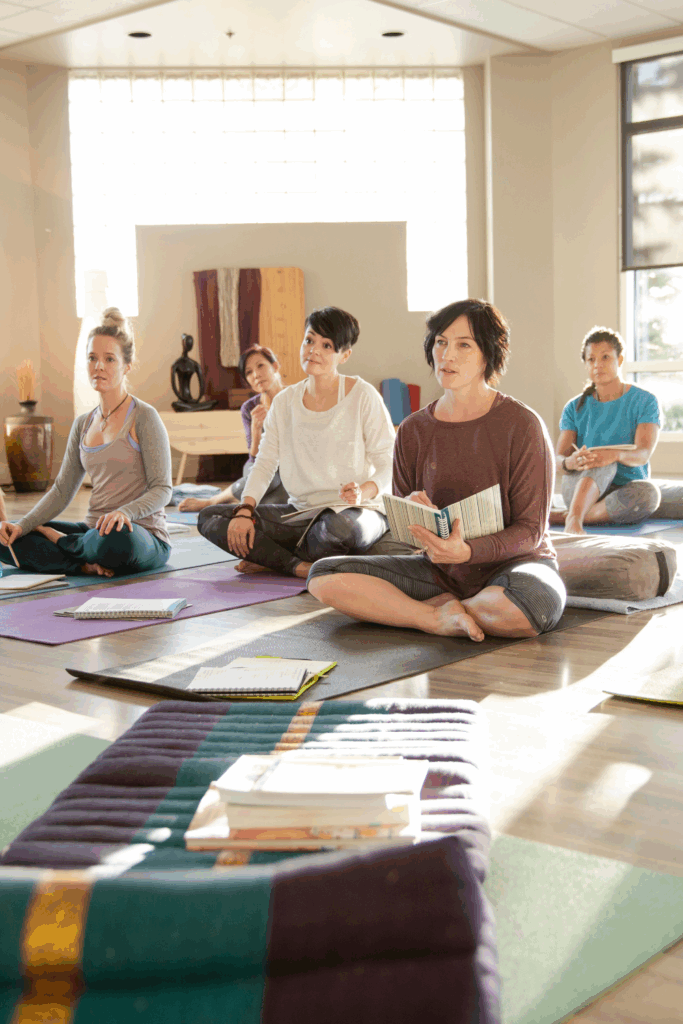
The yoga world is constantly evolving. New research, techniques, and teaching methods emerge every year. As a teacher, your students rely on you to offer safe, informed, and creative instruction. That means continuing your education isn’t just about fulfilling Yoga Alliance requirements—it’s about staying inspired, sharpening your skills, and expanding your impact.
5 Ways to Keep Your Yoga Teaching Fresh with Continuing Education

1. Explore New Styles or Lineages
Dabbling in new disciplines—like yin, restorative, yoga with weights, or trauma-informed yoga—can spark creativity in your current teaching. You don’t have to teach an entirely new style, but learning the principles behind it can shift the way you sequence or cue.
Try this: Take a weekend course in a style that’s outside your comfort zone.
2. Deepen Your Knowledge of Anatomy & Biomechanics
Understanding how the body actually moves will refine the way you cue and sequence. It helps you teach with clarity, reduce student injury risk, and build classes that are truly functional.
Pro tip: Look for CECs that combine anatomy with practical application—like sequencing for specific muscles, joints, or movement patterns.
3. Master the Art of Sequencing
If you find yourself teaching the same flow week after week, it’s time to evolve. Advanced sequencing courses help you build classes around peak poses, themes, seasons, or energetic principles like chakras and bandhas.
Think of sequencing as choreography with intention—fresh sequences = fresh energy.
4. Refine Your Cueing and Language
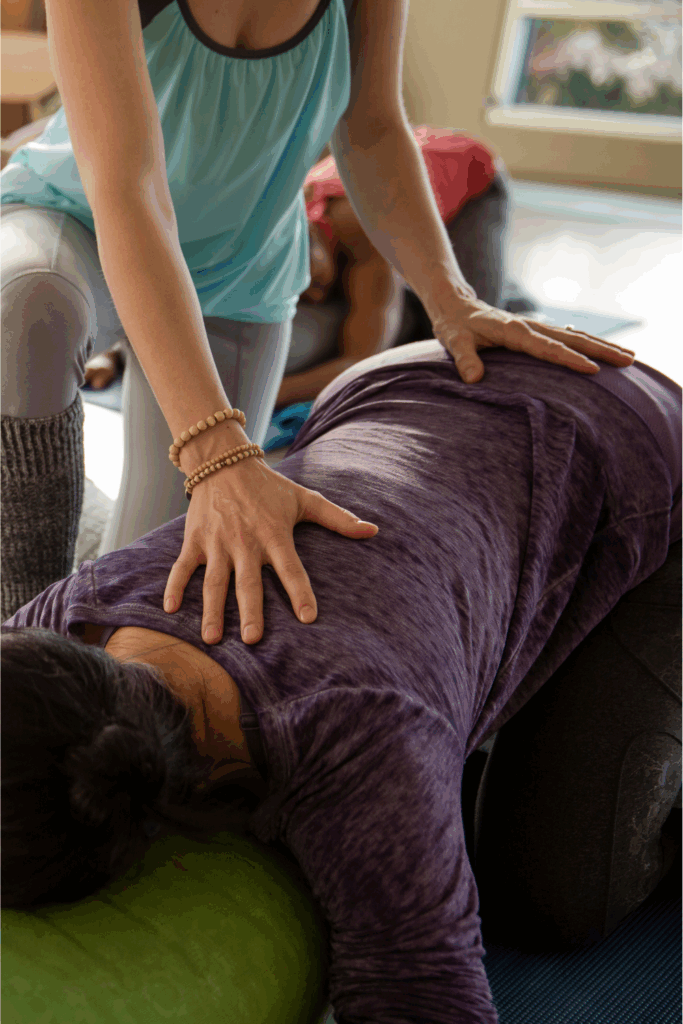
Words matter. The right cue can help a student access a pose they’ve struggled with for years. Continuing education focused on verbal cues, hands-on assists, or inclusive language can help you communicate more effectively with every student in the room.
Upgrade your cues to match the depth of your teaching.
5. Stay Connected to a Teaching Community
One of the best parts of continuing education is the chance to connect with other teachers. You’ll share ideas, ask questions, and be reminded that you’re not alone on the path. A good mentorship or CEC program will give you a support system and room to grow.
Growth happens faster when you’re not doing it alone.
What Counts as Yoga Continuing Education (CE)?
Yoga Alliance-registered teachers need 30 hours of continuing education every 3 years. These hours can come from:
- Specialty trainings and workshops
- Online courses or certifications
- Mentorship programs
- Anatomy, philosophy, or sequencing-focused CECs
- In-person or virtual retreats with an educational focus
Make sure at least 10 of your hours are contact hours with a qualified teacher (YACEP or E-RYT 500).
Stay Inspired, Stay Effective
Your students can feel when you’re inspired—and when you’re not. Continuing education helps you grow as a teacher, reconnect with your purpose, and offer more meaningful experiences on the mat. Whether you’re looking to deepen your alignment knowledge, level up your sequencing, or just find that creative spark again, there’s a continuing education path for you.
Ready to Elevate Your Teaching?
If you’re looking for a yoga mentorship or continuing education program that blends alignment, sequencing, creativity, and purpose, check out my Teacher Mentorship.