Alignment BaseD Yoga: What it is + Why It Matters
If you’ve ever been told to “square your hips” or “stack your joints,” you’ve already brushed up against the principles of alignment-based yoga. But alignment goes far beyond perfecting your posture — it’s the key to a safer, more sustainable practice that supports long-term strength, mobility, and mindfulness.
Whether you’re a curious student or a yoga teacher looking to deepen your understanding, this post breaks down what alignment-based yoga really means and why it matters on and off the mat.
What Is Alignment-Based Yoga?
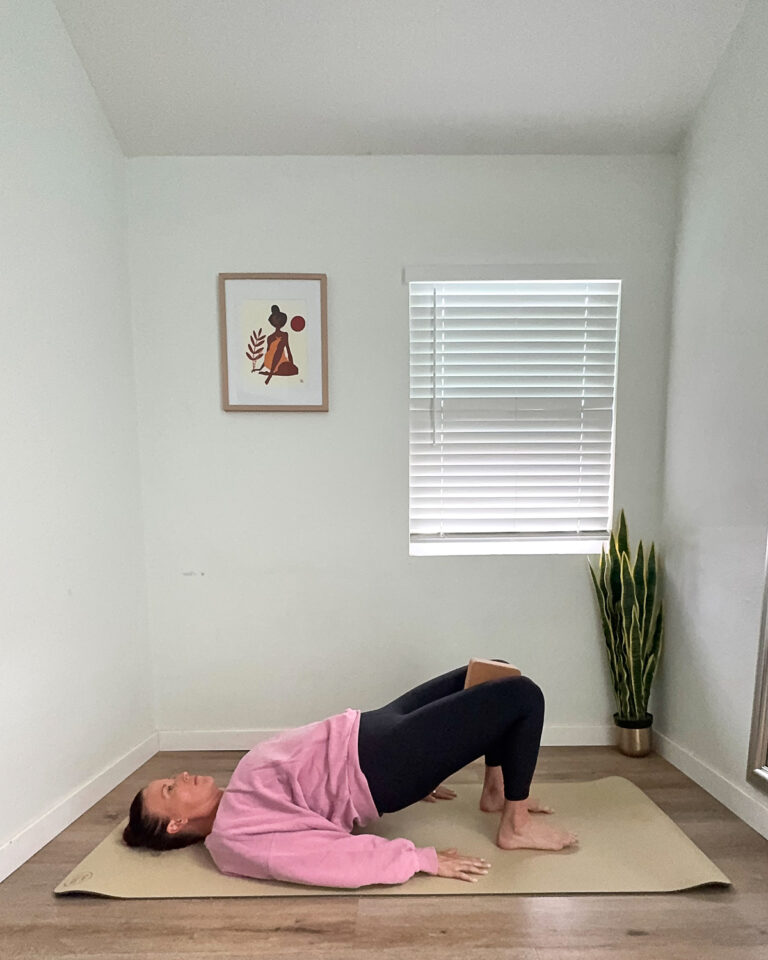
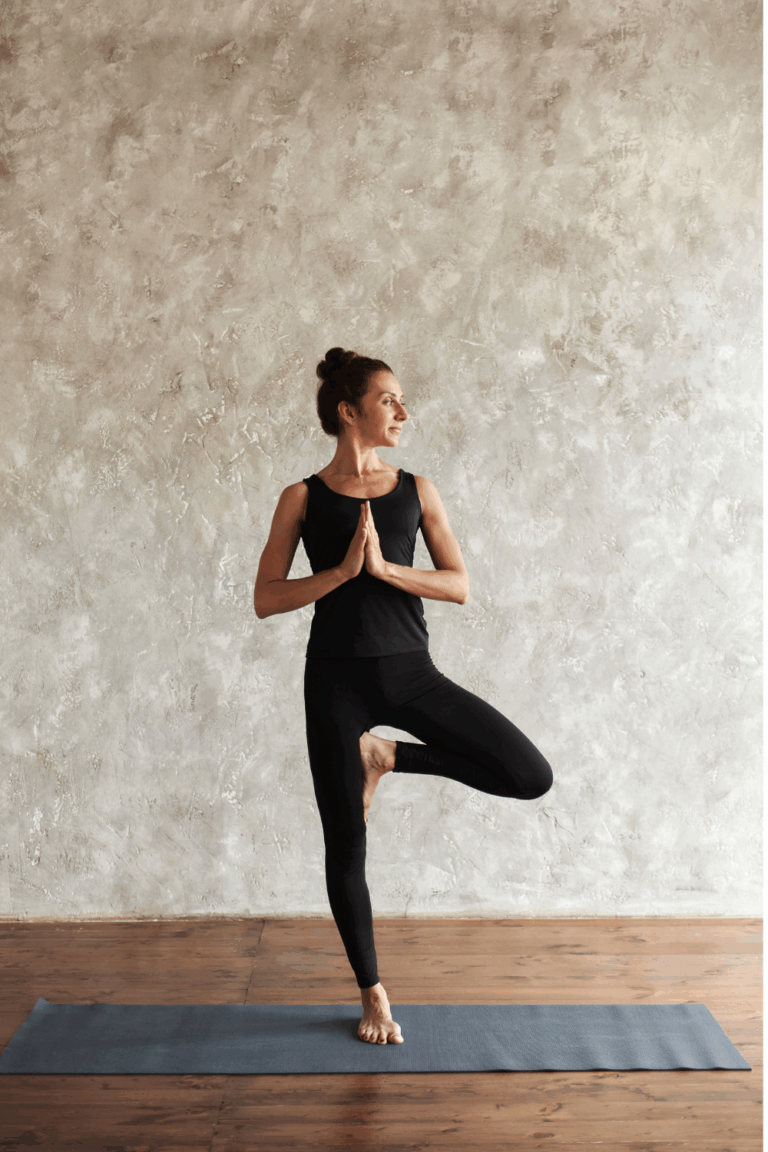
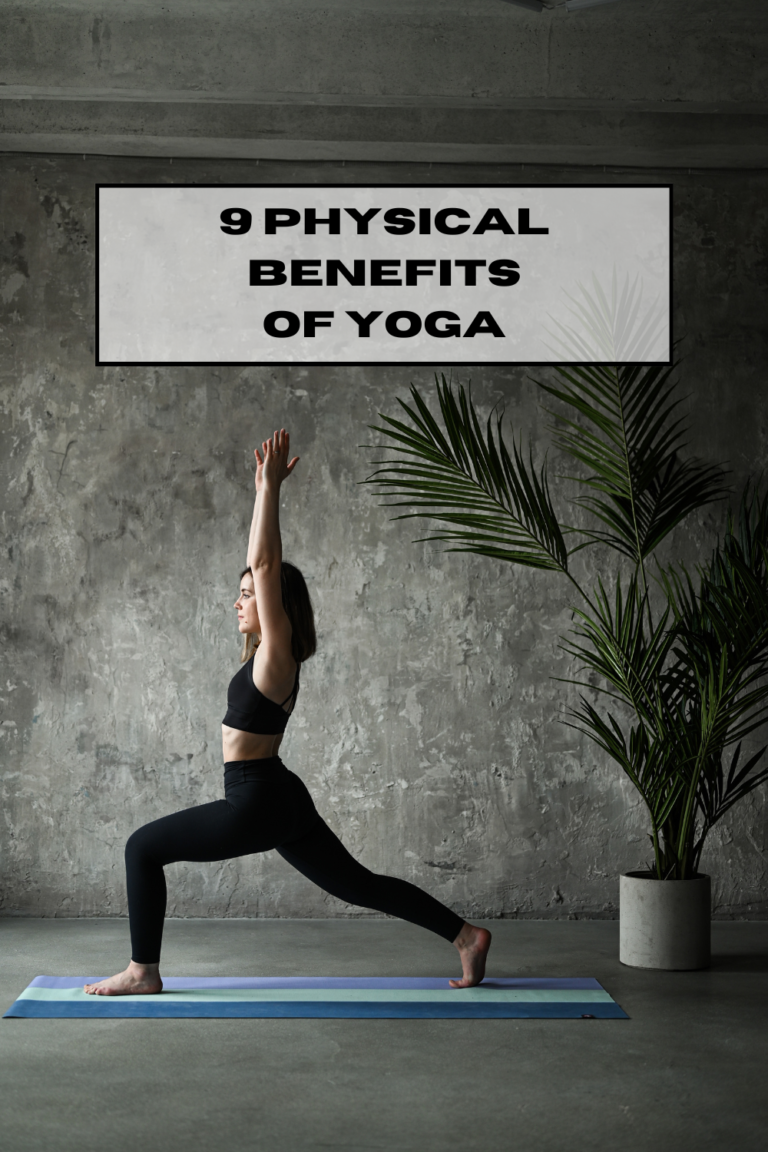
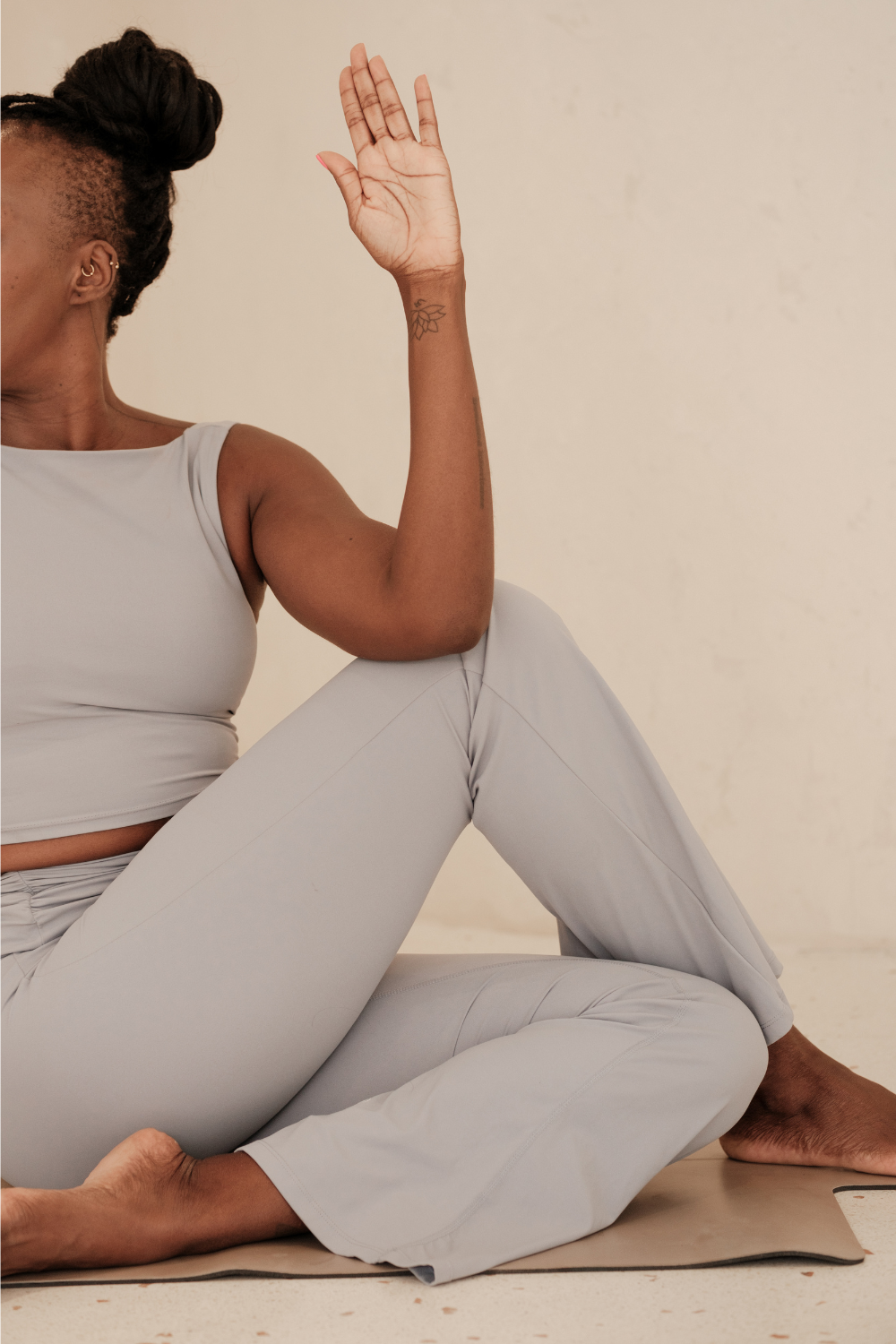
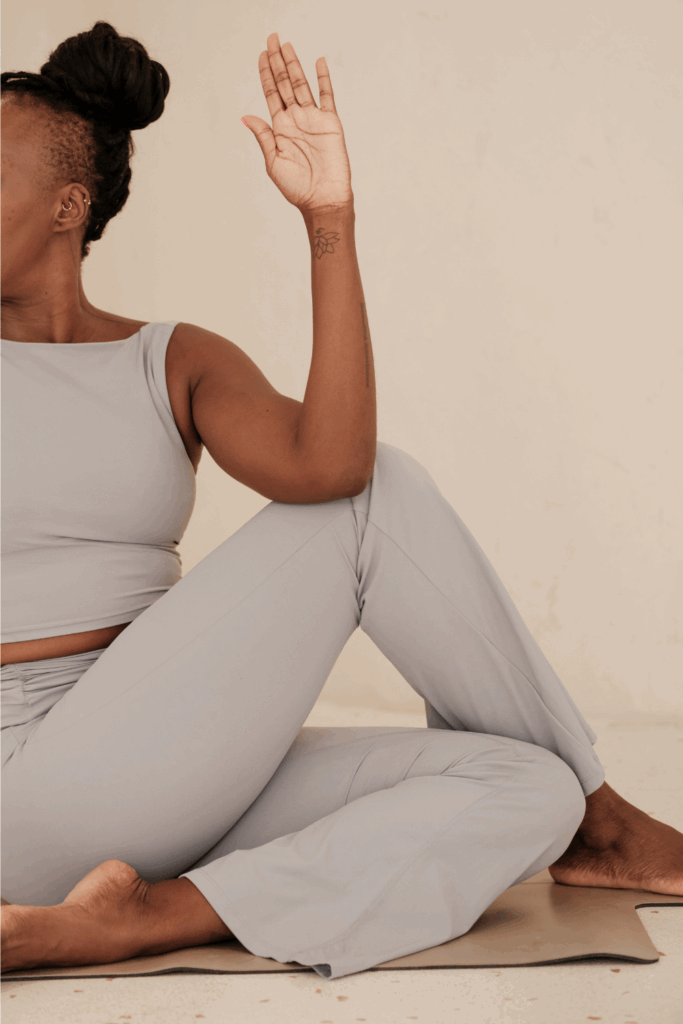
Alignment-based yoga focuses on how your body is positioned in each pose — not to achieve a textbook “look,” but to create optimal function, balance, and safety for your unique structure.
It emphasizes:
- Joint stacking and muscular engagement for stability
- Individualized adjustments based on anatomy and mobility
- Mindful movement and breath to support body awareness
Styles like Iyengar Yoga, Hatha Yoga, and many Vinyasa or Power Yoga classes incorporate alignment principles to enhance both form and function.
Why Alignment Matters
1. Injury Prevention
Alignment helps you avoid overuse, strain, and misalignment injuries. By understanding your body’s architecture, you can move more intelligently — especially if you’re recovering from injury, managing chronic pain, or simply practicing for the long haul.
2. Improved Body Awareness
Alignment-based yoga trains you to notice your body’s subtle patterns — where you’re collapsing, gripping, or compensating. This awareness doesn’t stop on the mat. It shows up in how you walk, sit, breathe, and move throughout your day.
3. Strength That Lasts
Rather than powering through poses, alignment teaches you to recruit the right muscles at the right time. This builds balanced strength, especially around the joints — which leads to better mobility and stability.
4. Greater Confidence in Your Practice
When you understand the “why” behind the poses, your practice becomes more intentional. Instead of copying shapes, you’re exploring your own structure. This gives you more confidence in modifying poses, using props, and listening to your body’s cues.
5. Access to Advanced Poses (Safely)
Alignment is the foundation for safely progressing into more complex postures. Whether you’re working toward arm balances, backbends, or deep hip openers, knowing how to organize your body gets you there more efficiently — and without forcing.
Is Alignment-Based Yoga Right for You?
If you’ve ever:
- Struggled with injuries or chronic tightness
- Felt unsure about how a pose “should” feel
- Wanted to deepen your understanding of anatomy
- Are a teacher or student looking for a more mindful approach
…then alignment-based yoga can be a game-changer.
It’s especially powerful for athletes, women in midlife, and anyone recovering from injury — because it meets you where you are and supports your whole body.
Final Thoughts
Alignment-based yoga isn’t about being rigid or perfect. It’s about moving with intelligence, adapting to your body’s needs, and creating a practice that heals, strengthens, and sustains you — for life.
Want to Learn More?
Explore my online subscription service, attend a retreat, or join my teacher mentorship where we dive deep into alignment, anatomy, and intelligent sequencing.